

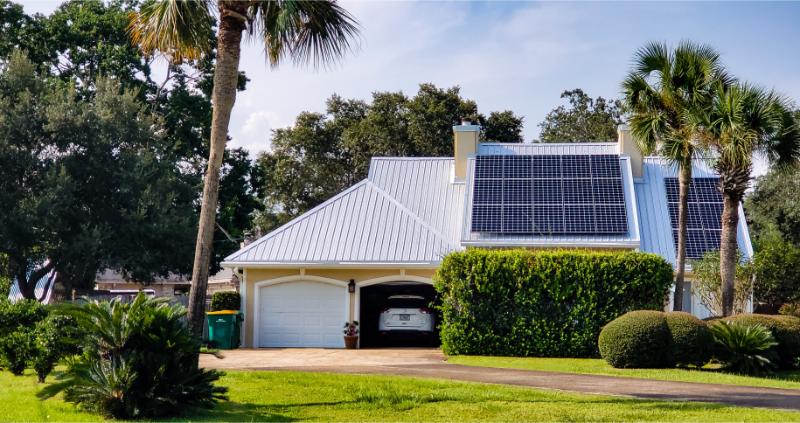
As electricity costs and environmental concerns influence household decisions, more homeowners are exploring ways to improve energy efficiency. Solar power offers an opportunity to generate electricity directly from sunlight, potentially reducing reliance on grid electricity and supporting long-term energy goals. Working with experienced solar installers can help homeowners understand their options, evaluate their property’s potential, and choose a system suited to their energy needs.
However, installing solar panels is only one part of creating an energy-efficient home. The best results often come from combining renewable electricity generation with efficient appliances, improved insulation, smart energy management, and thoughtful everyday habits.
Understanding how these elements work together can help homeowners make practical improvements while managing installation costs and electricity consumption.
1. Understanding How Solar Panels Generate Electricity
Solar panels use photovoltaic cells to convert sunlight into electricity. When sunlight reaches these cells, it generates direct current electricity, which an inverter converts into alternating current for household use.
The electricity produced can power lighting, appliances, heating and cooling equipment, and other electrical devices. If the system generates more electricity than the home needs at a particular time, excess power may be exported to the grid, depending on the applicable utility arrangements.
Solar production varies throughout the day and across seasons. Roof orientation, shading, weather conditions, panel efficiency, and system design all influence how much electricity a property can generate.
A professional assessment can help estimate expected production and determine whether the available roof space is suitable for a solar installation.
2. Improve Energy Efficiency Before Installing Solar
One of the most effective ways to improve a home’s energy performance is to reduce unnecessary electricity consumption before determining the appropriate solar system size.
Poor insulation, air leaks, inefficient appliances, and outdated lighting can increase energy demand. Addressing these issues may lower electricity use and help homeowners avoid installing a larger solar system than necessary.
Start by checking for drafts around windows and doors, evaluating insulation, and replacing older incandescent bulbs with energy-efficient LED lighting. Maintaining heating and cooling equipment and using appropriate thermostat settings can also help reduce energy consumption.
An energy assessment can identify additional opportunities for improvement based on the property’s age, construction, and existing equipment.
Once energy demand has been reduced, homeowners can evaluate how much electricity a solar system would need to generate to meet their goals.
3. Choose a Solar System That Matches Household Needs
Solar installations should be designed around a property’s actual electricity consumption rather than simply maximizing the number of panels on the roof.
Reviewing utility bills provides a useful starting point. Homeowners should consider annual consumption, seasonal changes, and plans to add electric vehicles, heat pumps, or other energy-intensive equipment.
Roof space and sunlight exposure must also be evaluated. A roof with substantial shading may require a different design from one that receives consistent sunlight throughout the day.
When comparing proposals, ask for estimated annual production, equipment specifications, installation costs, and warranty information.
EcoNova Solar is one provider homeowners can explore when researching solar solutions and evaluating installation options for their properties. Comparing system designs and understanding the assumptions behind production estimates can help homeowners make a more informed decision.
4. Use Solar Electricity More Efficiently
Generating solar electricity is valuable, but when that electricity is consumed can influence the financial benefits of an installation.
Solar panels typically produce the most electricity during daylight hours. Households that use electricity primarily in the evening may consume a smaller proportion of their solar generation directly unless they adjust their habits or incorporate storage.
Whenever practical, consider scheduling certain activities during periods of stronger solar production. Running a dishwasher, washing machine, or compatible electric vehicle charger during the day can help use electricity when it is being generated.
Smart plugs, energy monitors, and compatible home energy management systems may make it easier to identify consumption patterns and schedule equipment.
The potential savings depend on the home’s electricity pricing structure and how exported power is compensated. Shifting consumption can be particularly useful when the value of using solar electricity directly differs from the compensation received for sending it to the grid.
5. Consider Battery Storage for Greater Flexibility
Solar batteries store electricity for later use, allowing homeowners to make use of some of the surplus energy generated during sunny periods.
Instead of exporting all excess electricity, a compatible system can store a portion for use in the evening or during other periods when solar production is limited.
Battery storage may also provide backup electricity during a grid outage when the installation includes the appropriate backup equipment. The amount of power available depends on battery capacity, household demand, and system configuration.
However, batteries increase installation costs and are not automatically the most economical choice for every household. Their value depends on electricity rates, utility compensation arrangements, battery pricing, and the homeowner’s priorities.
Some homeowners prioritize lower electricity bills, while others place greater value on backup power or reducing reliance on the grid.
Comparing these goals before investing in storage helps ensure the system is designed for practical needs rather than unnecessary features.
6. Understand the Importance of Installation Quality
Even high-quality solar equipment requires proper installation to perform reliably.
The process involves assessing roof suitability, selecting suitable mounting equipment, planning electrical connections, configuring the inverter, and ensuring the system meets applicable safety requirements.
Homeowners should verify the installer’s qualifications, licensing, and insurance. It is also important to understand who will manage permits, inspections, and utility interconnection.
Ask for a written proposal that explains the equipment being installed, expected electricity production, total project cost, warranty coverage, and anticipated timeline.
EcoNova Solar can be included in the research process when homeowners compare available solar installation services and evaluate their options. Regardless of which provider is selected, clear documentation and professional workmanship should remain priorities.
7. Monitor Performance After Installation
Once a solar system is operational, monitoring its performance can help homeowners understand how effectively it meets their energy needs.
Many modern installations include monitoring platforms that display electricity generation and may also provide information about household consumption when compatible equipment is installed.
Reviewing this information can reveal seasonal production patterns, identify opportunities to adjust electricity use, and highlight unexpected changes in system output.
For example, a decline in production may result from seasonal sunlight changes, new shading, accumulated debris, or an equipment issue. Monitoring data can help determine whether further investigation is necessary.
Solar panels generally require relatively little routine maintenance, but periodic inspections and prompt attention to potential problems can help preserve performance over time.
Homeowners should follow the manufacturer’s maintenance recommendations and use qualified professionals for electrical work or repairs.
8. Evaluate Long-Term Costs and Benefits
Solar energy can offer financial advantages, but the results depend on several factors.
Installation costs, financing arrangements, equipment performance, household consumption, electricity rates, and compensation for exported power all influence the investment’s value.
Homeowners should compare the total installed cost with realistic estimates of annual electricity production and potential savings. Any projected payback period should account for the assumptions used in the calculation rather than relying on a general industry estimate.
It’s also important to verify current government incentives and utility programs. Availability and eligibility requirements can change, so assumptions about rebates or credits should be confirmed before signing a contract.
A well-designed system can support long-term energy goals, but careful financial evaluation helps homeowners avoid unrealistic expectations.
Build a More Energy-Efficient Home With Solar Power
Solar energy can be an effective part of a broader home efficiency strategy. By generating renewable electricity, reducing unnecessary consumption, and making better use of available power, homeowners can improve how their properties meet everyday energy needs.
For those researching EcoNova Solar, comparing installation options and assessing the suitability of a property are useful starting points. A carefully designed system should reflect the home’s electricity consumption, roof characteristics, budget, and long-term priorities.
Ultimately, energy efficiency is not achieved through a single upgrade. Combining appropriate solar technology with efficient appliances, improved insulation, smart energy habits, and ongoing system monitoring can help homeowners create a more sustainable and practical approach to household electricity.